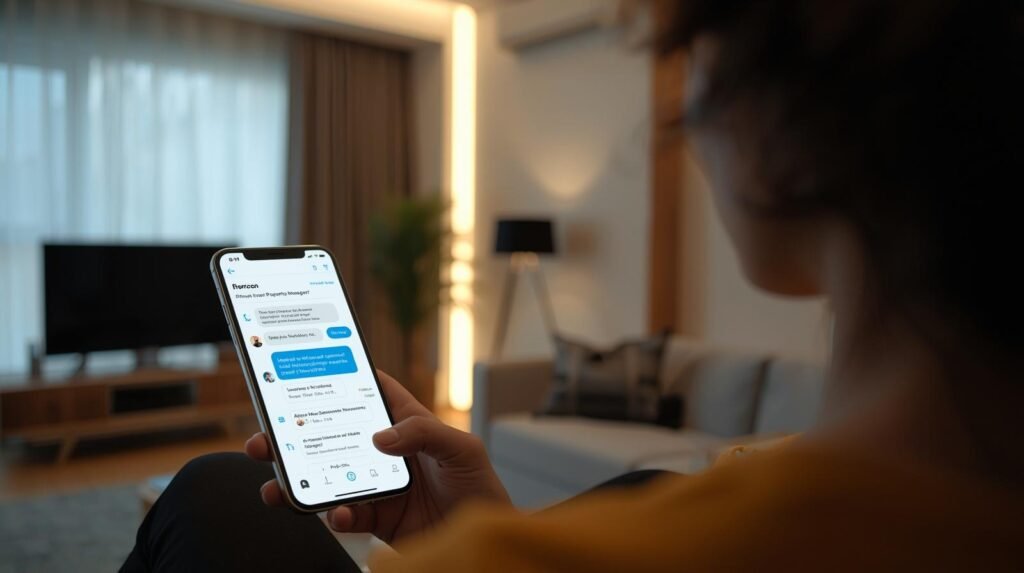

Tenant experience has become a key part of property management. In the past, tenants often faced delays in communication, manual processes, and limited access to services. Property managers handled requests through phone calls, paper forms, and office visits. These methods created delays and confusion.
Today, digital solutions have changed how tenants interact with property owners and managers. Technology provides tools that improve communication, simplify processes, and give tenants more control over their living environment.
Digital systems are now used to handle payments, maintenance requests, updates, and communication. These tools help reduce delays and improve satisfaction. Property managers also benefit from better organization and faster response times.
This article explains how digital solutions improve tenant experience and communication in properties. It covers key systems, tools, and their impact on daily operations.
Online Communication Platforms
Communication is one of the most important parts of tenant experience. Digital platforms allow tenants and property managers to communicate in a structured way.
Tenants can send messages through apps or web portals. Property managers can respond without delays. This reduces the need for phone calls and in-person visits.
Communication platforms also keep records of conversations. This helps avoid confusion and ensures that all requests are tracked.
Announcements about maintenance, policy changes, or updates can be shared with all tenants at once. This ensures that everyone receives the same information.
Tenant Portals for Self Service
Tenant portals provide a central place where tenants can manage their activities. These portals are accessible through websites or mobile apps.
Tenants can log in to view lease details, payment history, and notices. They can also update personal information when needed.
Self-service features reduce dependency on property managers. Tenants do not need to wait for office hours to access information.
This improves convenience and saves time for both tenants and managers.
Digital Rent Payment Systems
Paying rent is one of the most frequent interactions between tenants and property managers. Digital payment systems make this process easier.
Tenants can pay rent through online platforms using bank transfers or other methods. Payments can be scheduled to avoid delays.
Digital systems provide receipts and records of transactions. This helps both tenants and managers keep track of payments.
Automatic reminders can be sent before due dates. This reduces late payments and improves cash flow for property owners.
Maintenance Request Management
Maintenance is a common concern for tenants. Digital systems allow tenants to report issues through apps or portals.
Tenants can submit requests with details and images. This helps property managers understand the problem.
Requests are tracked in the system and assigned to staff. Tenants can check the status of their requests.
This process reduces delays and improves transparency. Tenants feel informed and valued when their issues are handled on time.
Mobile Applications for Tenant Interaction
Mobile apps provide easy access to property services. Tenants can use apps to communicate, make payments, and submit requests.
Apps send notifications about updates, reminders, and announcements. This keeps tenants informed without effort.
Property managers can also use apps to manage tasks and respond to tenants quickly.
Mobile access ensures that services are available at all times. This improves overall experience.
Automated Notifications and Alerts
Automation helps in keeping tenants informed. Systems can send notifications for rent due dates, maintenance schedules, and announcements.
Alerts can also be sent during emergencies or important events. This ensures that tenants receive timely information.
Automation reduces manual work for property managers. It also ensures consistency in communication.
Tenants benefit from clear and regular updates.
Smart Access and Security Systems
Digital solutions include smart access systems that control entry to buildings and units. These systems use codes, cards, or mobile apps.
Tenants can enter without physical keys. Access can be managed and monitored through software.
Security systems also include cameras and sensors. These systems improve safety for residents.
Tenants feel secure when properties use modern security solutions.
Community Engagement Platforms
Digital platforms can help build a sense of community among tenants. These platforms allow residents to share information and interact.
Tenants can receive updates about events, notices, and activities. They can also communicate with neighbors if needed.
Community platforms improve engagement and create a better living environment.
Property managers can use these tools to maintain a connection with tenants.
Lease Management Systems
Lease agreements can be managed through digital systems. Tenants can view and sign contracts online.
Renewals can be processed without paperwork. This reduces delays and simplifies the process.
Digital records ensure that agreements are stored securely. They can be accessed when needed.
Lease management systems improve efficiency and reduce errors.
Feedback and Survey Tools
Understanding tenant needs is important for improving services. Digital tools allow property managers to collect feedback.
Tenants can respond to surveys through apps or emails. Feedback can be analyzed to identify issues.
This helps managers make informed decisions and improve services.
Tenants feel heard when their opinions are considered.
Integration of Multiple Services
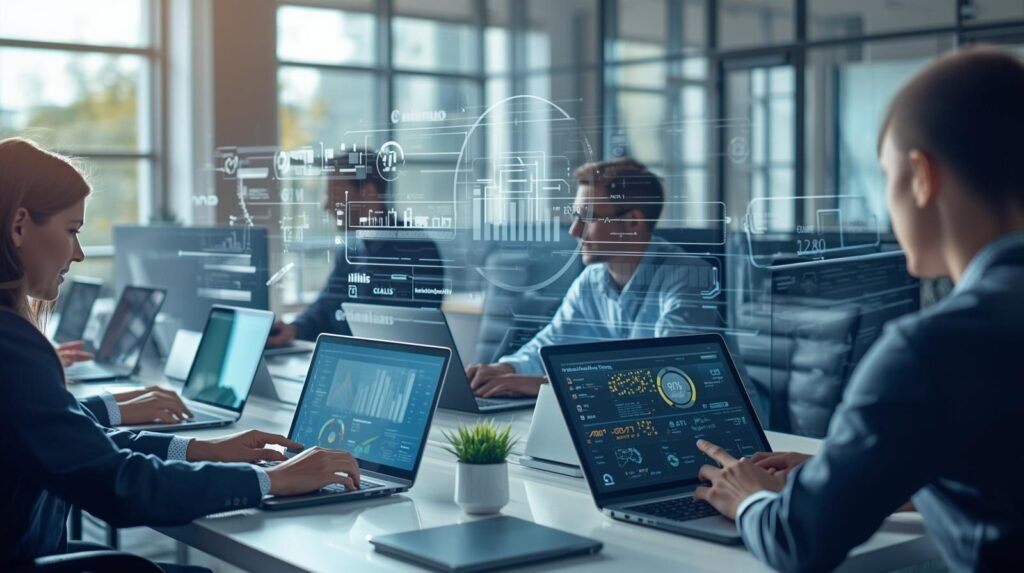
Digital solutions often combine multiple services into one platform. Communication, payments, maintenance, and records are managed together.
This integration reduces the need for multiple systems. It also improves efficiency.
Tenants can access all services in one place. This improves convenience and user experience.
Property managers can manage operations more effectively.
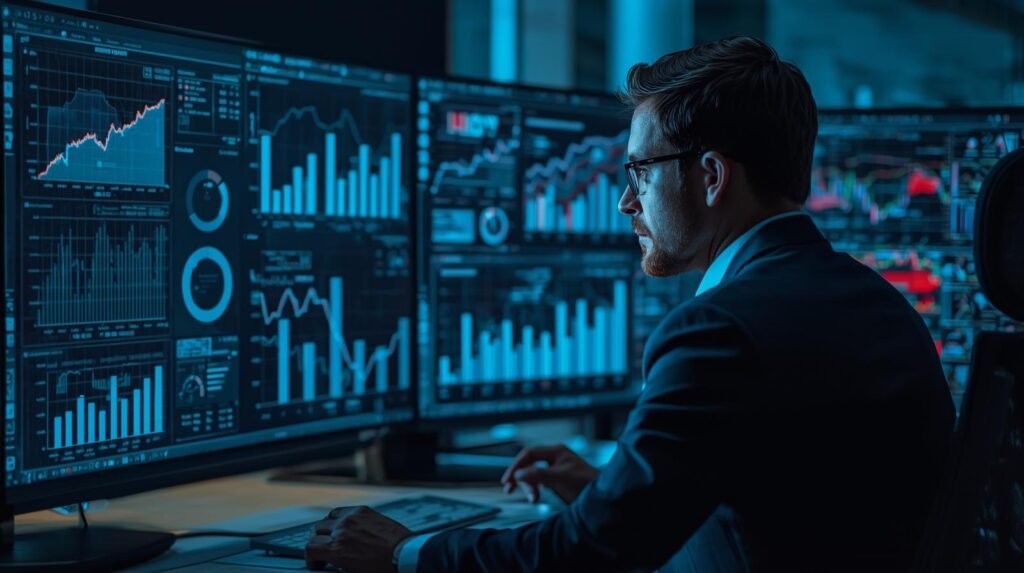
Data Tracking and Insights
Digital systems collect data on tenant behavior and property performance. This data can be used to improve services.
Managers can track response times, payment patterns, and maintenance trends.
Insights help in identifying areas that need improvement. They also support better planning.
Data-driven decisions lead to better outcomes for both tenants and managers.
Reducing Delays and Errors
Manual processes often lead to delays and mistakes. Digital solutions reduce these issues.
Automated systems ensure that tasks are completed on time. Records are maintained accurately.
Communication is clear and documented. This reduces misunderstandings.
Tenants benefit from faster and more reliable services.
Cost Efficiency for Property Managers
Digital tools help reduce operational costs. Automation reduces the need for manual work.
Online communication reduces printing and travel costs. Efficient systems improve productivity.
Property managers can handle more tasks with fewer resources.
Cost efficiency allows managers to invest in better services.
Challenges in Digital Adoption
Adopting digital solutions can have challenges. Some tenants may not be familiar with technology.
Training may be needed to help users understand systems. Initial setup costs can also be a concern.
Data security is important. Systems must protect user information.
Despite these challenges, digital solutions provide long term benefits.
Future of Tenant Experience
The role of digital solutions in tenant experience will continue to grow. New technologies will improve communication and services.
Systems will become more user-friendly and efficient. Automation will handle more tasks.
Tenants will expect faster and more convenient services. Property managers must adapt to these expectations.
Future developments will focus on improving comfort, communication, and efficiency.
Conclusion
Digital solutions have improved tenant experience and communication in many ways. They provide tools that simplify processes and improve interaction.
From online communication to automated systems, technology supports better service delivery. Tenants have more control and access to information.
Property managers benefit from improved organization and efficiency. Communication becomes clear and consistent.
The use of digital solutions is now part of modern property management. It helps create better experiences for tenants and improves overall operations.