
Introduction
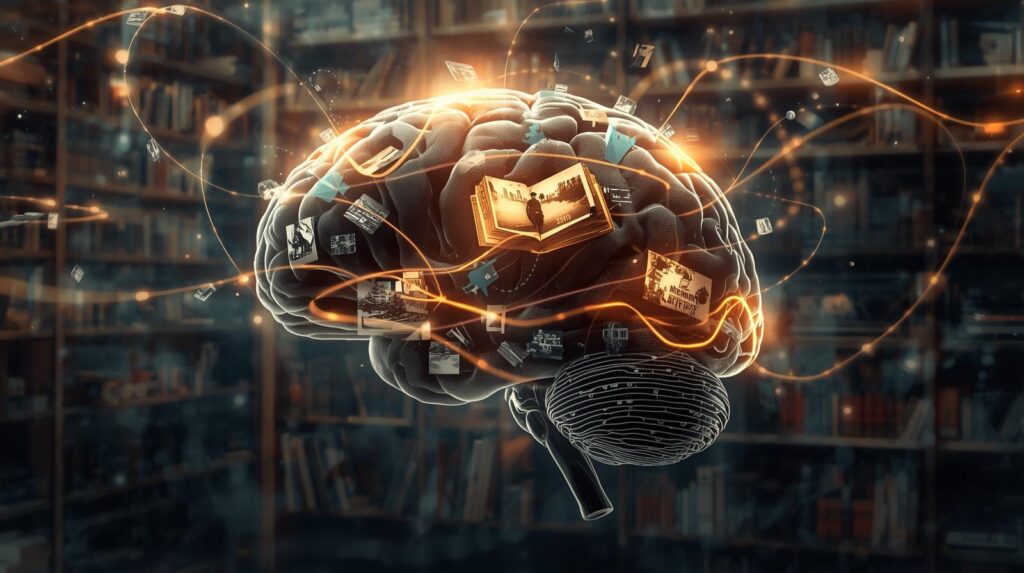
Memory shapes how people understand the world. Meaning does not form at the moment something happens alone. It develops through how experiences are stored, recalled, and connected over time. Memory links past events to present thought and future action. This article explains how memory creates meaning, how recall shapes interpretation, and why remembered experience guides value, behavior, and identity.
Memory as a Meaning System
Memory is not a record system that stores events as they occurred. It is a meaning system. It selects, organizes, and reshapes experience. When a person remembers something, they do not retrieve facts alone. They retrieve interpretation.
Meaning forms when memory connects events with outcomes. These connections tell the mind what matters and why.
How Memory Stores Experience
Memory stores experience through patterns. Events that stand out receive attention. Attention increases the chance of storage. Once stored, the event becomes part of a network.
This network links:
- People
- Places
- Actions
- Results
Meaning exists within these links. A memory gains meaning when it connects to goals, emotion, or consequence.
Encoding and Meaning Formation
Encoding is the process of storing experience. During encoding, the mind decides what to keep. This decision depends on relevance.
Relevance comes from:
- Emotion
- Repetition
- Personal involvement
When an event feels relevant, the mind assigns meaning during encoding. This meaning shapes later recall.
Recall and Meaning Reconstruction
Recall does not replay memory. It reconstructs it. Each recall uses present context to rebuild past experience.
This reconstruction can change meaning. New information alters interpretation. The memory stays, but its meaning shifts.
This explains why the same memory can feel different over time.
Memory and Association
Association is central to meaning creation. One memory activates another. These chains form understanding.
For example:
- A smell recalls a place
- A sound recalls a moment
- A word recalls a relationship
Meaning emerges from these associations. The stronger the link, the stronger the meaning.
Repetition and Memory Strength
Repetition strengthens memory. Each repetition reinforces connections. Over time, meaning becomes stable.
Repeated memories guide behavior. The mind uses them as reference points. This allows quick judgment without deep analysis.
Repetition does not require identical events. Similar experiences can reinforce the same meaning.
Memory and Personal History
Personal history shapes meaning. A person’s past influences what they notice and remember.
Two people can experience the same event. Their memories differ. Their meanings differ.
Personal history acts as a filter. It decides what feels relevant.
Memory and Identity
Identity forms through memory. People define themselves through remembered experience.
Statements like:
- This happened to me
- I learned this
- I chose this
These memories support identity. Meaning connects memory to self-concept.
Without memory, identity loses continuity.
Memory and Emotional Tagging
Emotion tags memory. When emotion is present, memory storage increases. The memory carries a signal.
This signal affects recall. Emotional memories surface faster. They feel important.
This tagging helps survival. It marks what to seek and what to avoid.
Memory and Meaning Over Time
Time changes memory meaning. Distance allows reinterpretation. New experiences reshape old memories.
An event may feel insignificant at first. Later, it may gain meaning when its role becomes clear.
Memory allows meaning to grow after the event ends.
Memory Gaps and Meaning Filling
Memory has gaps. The mind fills these gaps with logic, belief, or assumption.
This filling process adds meaning. The mind prefers coherence. It creates explanation even when details are missing.
These explanations influence belief and behavior.
Memory and Learning
Learning relies on memory. Meaning allows learning to transfer. When memory stores meaning rather than detail, knowledge becomes usable.
For example:
- A rule becomes understanding
- A mistake becomes lesson
- An outcome becomes guide
Meaning allows memory to apply across situations.
Memory and Cultural Meaning
Culture stores memory at group level. Stories, rituals, and records preserve shared meaning.
Cultural memory teaches:
- What matters
- What to repeat
- What to avoid
Individuals absorb these meanings through shared memory systems.
Memory and Language
Language supports memory. Words act as containers. They hold shared meaning.
When people recall events, they often use language to structure memory. This structure shapes interpretation.
Language allows memory to be shared. Shared memory builds collective meaning.
Memory and Routine
Routine shapes memory by repetition. Daily actions form patterns. These patterns become background meaning.
Routine memories guide behavior without awareness. They reduce effort and decision load.
Meaning here is functional. It supports stability.
Memory and Surprise
Surprise affects memory. When an event breaks expectation, the mind marks it.
This marking increases recall. The meaning forms around the contrast.
Surprise shows the role of expectation in meaning creation.
Memory and Loss
Loss reveals meaning stored in memory. When something disappears, memory highlights its role.
The mind compares presence with absence. Meaning becomes clear through contrast.
Loss strengthens memory by focusing attention.
Memory Distortion and Meaning Shift
Memory distortion changes meaning. Over time, details fade. Interpretation remains.
This does not mean memory fails. It means memory prioritizes meaning over accuracy.
Meaning supports function. Exact detail is less important.
Memory and Bias
Memory carries bias. The mind remembers what supports existing belief. Conflicting memories may fade.
This bias stabilizes meaning. It reduces internal conflict.
Awareness can reduce bias. Reflection allows reevaluation of stored meaning.
Memory and Decision Making
Decisions rely on memory. Past outcomes guide present choice.
Meaning extracted from memory informs judgment. People choose based on what memory labels as relevant.
Without memory, decisions lack reference.
Memory and Anticipation
Memory supports anticipation. Past experience informs expectation.
Meaning links memory to prediction. The mind prepares for outcomes based on stored patterns.
This preparation guides planning and behavior.
Memory Without Awareness
Much memory influence occurs without awareness. Habits, reactions, and preferences rely on stored meaning.
People may not recall the source. The meaning remains active.
Reflection can uncover these influences.
Memory and Meaning Stability
Some meanings remain stable across time. Others shift. Stability depends on repetition and reinforcement.
Core memories often support stable meaning. Peripheral memories change more easily.
This explains why some beliefs persist.
Memory and Meaning Change
Change in environment can alter memory meaning. New roles change interpretation of past events.
Meaning adapts to maintain coherence. The mind updates interpretation to fit current context.
This flexibility supports adaptation.
Why Memory Matters in Meaning Creation
Memory allows experience to extend beyond the present moment. It connects events into structure.
Without memory, meaning would reset constantly. Memory provides continuity.
Conclusion
Memory plays a central role in meaning creation. It stores experience, builds associations, and reshapes interpretation over time. Meaning forms through encoding, recall, repetition, and emotion. Memory links past with present and guides future action. Understanding memory explains why meaning changes, persists, and influences behavior across life.