
Introduction
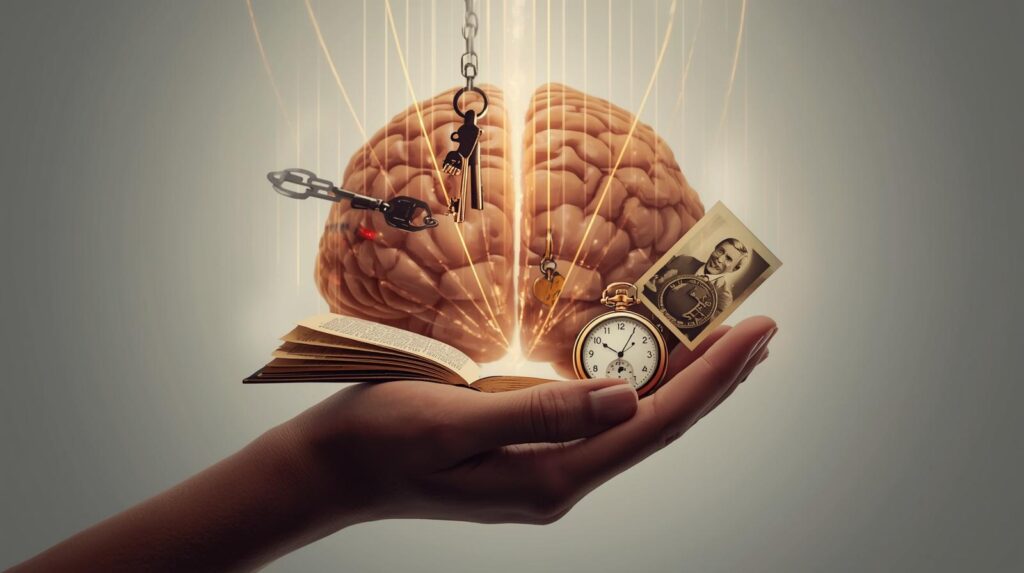
Meaning guides how people think, act, choose, and remember. Every object, action, place, or moment can hold meaning. This meaning does not exist on its own. It comes from how people connect experiences, thoughts, and values to things. Understanding how meaning forms helps explain behavior, culture, memory, and decision making. This article explains how humans assign meaning to things, where meaning comes from, and why meaning differs across people and situations.
Meaning as a Human Process
Meaning is not built into objects. A chair is wood and shape. A ring is metal and form. A word is sound or text. Meaning appears when a person connects a thing to an idea, event, or feeling. This process happens through thinking, memory, learning, and interaction.
People assign meaning through patterns. When something repeats in a person’s life, the mind links it with outcomes. Over time, these links grow stronger. Meaning then feels natural, even though it formed through experience.
Role of Experience in Meaning Creation
Experience plays a central role in how meaning forms. Events leave traces in memory. When a thing appears again, the mind recalls earlier events linked to it.
For example:
- A song may recall a moment from the past
- A place may recall a life phase
- A word may recall a conversation
The object itself does not carry meaning. The experience attached to it does. This is why the same thing can mean different things to different people.
Learning and Meaning Assignment
Learning shapes meaning from early life. Parents, teachers, peers, and media teach what things represent. A flag can represent a group. Money can represent exchange. Time can represent limits.
Language plays a key role here. Words act as symbols. When people learn language, they learn shared meaning. This shared system allows communication. Without shared meaning, words would not work.
Learning continues across life. New roles, jobs, and environments add new layers of meaning to familiar things.
Social Influence on Meaning
Meaning often forms in social settings. People observe how others react to things. These reactions guide interpretation.
Examples include:
- Social rules around greeting
- Behavior during events
- Use of objects in daily life
When many people treat something in the same way, the meaning becomes stable within that group. This shared meaning helps groups function.
Culture and Shared Meaning
Culture stores meaning across time. Traditions, customs, and rituals pass meaning from one group to the next. These systems explain how to act, what to value, and what to avoid.
Cultural meaning can include:
- Food habits
- Dress codes
- Roles within family
- Views on success or failure
These meanings feel natural to people inside the culture. People outside may see them differently. This shows that meaning depends on context.
Personal Identity and Meaning
Identity shapes how meaning forms. A person’s role, background, and goals affect what matters to them. The same object can support different meanings based on identity.
For example:
- A book can mean knowledge to one person
- The same book can mean work to another
- Or memory to someone else
Identity filters experience. This filter guides which details stand out and which fade away.
Emotional Connection and Meaning
Emotion strengthens meaning. When an event carries emotion, the mind marks it. Later, anything linked to that event can trigger recall.
Emotion does not need to be strong. Repeated small reactions also build meaning. Over time, objects linked with emotion gain weight in thought.
This explains why people keep items with no practical use. The value comes from connection, not function.
Memory as a Meaning Tool
Memory stores meaning. It connects objects, people, and events across time. When memory retrieves an event, it also retrieves the meaning attached to it.
Memory works through association. One thought leads to another. Meaning forms through these links. The more often a link is used, the stronger it becomes.
Memory also changes meaning. As time passes, interpretation shifts. The same memory can gain new meaning based on later events.
Meaning and Repetition
Repetition plays a role in meaning creation. When something appears often, the mind treats it as relevant. This applies to routines, symbols, and messages.
Examples include:
- Daily habits
- Repeated phrases
- Regular places
Through repetition, meaning becomes automatic. People no longer question it. This process saves effort in thinking and decision making.
Contrast and Meaning
Meaning often forms through contrast. A thing stands out when it differs from others. The mind notices change more than sameness.
For example:
- Silence after noise
- Absence after presence
- Loss after ownership
Contrast marks events in memory. These marked moments carry meaning because they break pattern.
Purpose and Meaning
Purpose influences meaning assignment. When a thing supports a goal, it gains meaning. Tools, systems, and routines gain value through use.
When goals change, meaning changes. Something once useful may lose meaning. Something ignored may gain meaning later.
This shows that meaning is not fixed. It responds to direction and intent.
Meaning in Objects
Objects act as containers for meaning. People project meaning onto them. This includes items, places, and symbols.
Examples:
- A gift represents connection
- A house represents stability
- A photograph represents a moment
The physical object remains the same. The meaning lives in the mind.
Meaning in Events
Events gain meaning through outcome and memory. Some events fade. Others remain. The difference lies in how they connect to goals, emotion, or identity.
An event may feel minor at first. Later, it may gain meaning after a result appears. Meaning can grow after reflection.
Meaning and Time
Time changes meaning. Distance from an event allows reinterpretation. What once felt heavy may feel neutral. What once felt neutral may gain weight.
Time adds context. Context reshapes understanding. Meaning shifts as the mind connects past with present.
Meaning and Choice
People assign meaning through choice. Choosing something gives it value. Effort adds meaning. Time spent adds meaning.
This explains attachment to projects, places, and paths. The act of choosing links identity to outcome.
Meaning and Loss
Loss reveals meaning. When something is gone, its role becomes clear. The mind compares before and after.
Loss forces attention. Attention brings meaning into focus. This process explains why meaning sometimes appears only after absence.
Meaning Without Awareness
Much meaning forms without awareness. People act based on meaning they did not choose directly. Habits, norms, and beliefs guide behavior.
Reflection can reveal these hidden meanings. Awareness allows adjustment. Without reflection, meaning remains automatic.
Meaning and Communication
Communication relies on shared meaning. When meaning differs, misunderstanding appears. Clear communication requires shared reference.
Stories help align meaning. Through stories, people explain why things matter. This shared understanding supports cooperation.
Meaning in Daily Life
Daily life is filled with meaning creation. Small actions, repeated choices, and interactions build layers of meaning.
Examples include:
- Morning routines
- Work tasks
- Social exchanges
These meanings guide behavior without constant thought.
Meaning and Change
Change challenges meaning. When systems shift, old meanings may fail. People then rebuild meaning to match new conditions.
This process can bring confusion or growth. Meaning acts as a guide during change.
Meaning and Decision Making
Meaning affects decisions. People choose based on what matters to them. Meaning ranks options.
Without meaning, decisions feel empty. Meaning provides direction.
Why Meaning Matters
Meaning gives structure to experience. It connects past, present, and future. It supports identity and purpose.
Without meaning, actions lose direction. With meaning, effort feels justified.
Conclusion
Humans assign meaning through experience, memory, emotion, learning, and social interaction. Meaning does not exist in objects or events alone. It forms through connection and interpretation. This process shapes behavior, culture, and choice. Meaning changes over time, across people, and across context. Understanding how meaning forms helps explain how people live, remember, and decide.