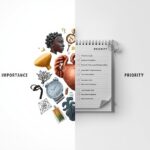

Value shapes how people make decisions every day. From simple choices to long-term plans, value influences what people keep, pursue, ignore, or replace. Although value often feels obvious, it is not fixed or universal. It is formed through experience, needs, and perception. Understanding how value is assigned in daily life helps people make more deliberate choices and reduce conflict.
Value is not limited to money. Time, effort, trust, knowledge, and relationships all carry value. This article explains how people assign value, why value differs between individuals, and how value shifts based on context and experience.
Understanding the Concept of Value
Value refers to the level of usefulness or significance something holds for a person. When something provides benefit or supports goals, it gains value.
Value exists in the mind rather than in the object itself. The same item can hold high value for one person and little value for another.
Value guides behavior. People protect what they value and invest in what they expect to return benefit.
Needs as a Starting Point for Value
Needs create the foundation of value. When something satisfies a need, it becomes valuable.
Food has value because it supports survival. Rest has value because it supports recovery. Income has value because it supports stability.
As needs change, value changes. What feels valuable in one stage of life may lose value later.
Needs explain why value is dynamic rather than permanent.
Utility and Practical Use
Practical use strongly influences value. When something helps complete a task or solve a problem, it gains value.
Tools, skills, and systems hold value because they enable action.
When practical use declines, value declines. Items that no longer serve a function are often discarded.
Utility is one of the clearest drivers of daily value.
Time Investment and Value
Time invested in something increases its perceived value.
People often value tasks, projects, or relationships more when they have spent time on them.
This explains attachment to long-term efforts even when results are limited.
Time creates connection, which increases value.
Effort and Personal Contribution
Effort increases value. When people work toward something, they tend to value the outcome more.
This applies to learning, building, and problem solving.
Effort creates ownership. Ownership strengthens value.
This effect influences daily choices and attachment.
Scarcity and Availability
Scarcity raises value. Limited resources draw attention and care.
Time becomes valuable when it feels limited. Opportunities become valuable when access is restricted.
When availability increases, value often decreases.
Scarcity affects how people prioritize and protect resources.
Social Influence on Value
Society influences value through norms and shared beliefs.
People often assign value to things that are respected or rewarded within their community.
Education, status, and recognition gain value through social systems.
This influence shapes daily decisions, often without awareness.
Emotional Connection and Value
Emotional connection strengthens value.
Objects linked to memories hold value beyond function.
Relationships hold value because of trust and shared experience.
Emotion adds depth to value that cannot be measured easily.
Risk and Value Perception
Risk affects value. When something carries risk, its value may increase or decrease.
Some people value stability and avoid risk. Others value opportunity and accept uncertainty.
Risk changes how value is judged in daily choices.
Understanding risk tolerance explains differences in behavior.
Cost and Value Comparison
People compare cost to expected benefit when assigning value.
Cost includes money, time, energy, and attention.
When cost feels high and benefit feels low, value drops.
When benefit outweighs cost, value increases.
This comparison happens often without conscious thought.
Experience and Learning
Experience reshapes value over time.
Positive outcomes increase value. Negative outcomes reduce value.
Learning helps refine judgment. With experience, people assign value more accurately.
This process continues throughout life.
Convenience and Value
Convenience affects value. Ease of access increases use and attention.
People often choose options that reduce effort even if benefit is similar.
Convenience does not always reflect long-term benefit, but it strongly affects daily decisions.
Habit and Repeated Behavior
Habits create perceived value through repetition.
Things done regularly feel valuable because they are familiar.
Breaking habits can reveal that some valued routines no longer serve a purpose.
Habit-based value often goes unquestioned.
Context and Situational Value
Value changes based on situation.
Water has high value when unavailable. Silence has value in busy environments.
Context explains why value is not fixed.
Daily life constantly shifts context, changing value assignments.
Personal Goals and Value Alignment
Goals influence value by shaping focus.
When something supports a goal, it gains value.
As goals change, value shifts.
This alignment explains why priorities change over time.
Cultural Background and Value
Culture shapes what people value.
Different cultures place value on time, relationships, independence, or structure.
Cultural influence affects daily behavior and expectations.
Understanding this reduces misunderstanding.
Value in Decision Making
Value acts as a filter in decisions.
Options with higher perceived value receive attention.
Clear value assessment leads to confident choices.
Unclear value leads to hesitation.
Value and Trade-Offs
Every decision involves trade-offs.
Choosing one option means giving up another.
Understanding value helps manage trade-offs consciously.
This awareness reduces regret.
How Value Is Communicated
People express value through action more than words.
Time spent shows value. Effort shows value. Protection shows value.
Mismatch between words and actions reveals true value.
Misjudging Value
People sometimes assign value based on habit, pressure, or fear.
This leads to choices that do not align with goals.
Reflection helps correct misjudgment.
Value assessment improves with awareness.
Re-Evaluating Value in Daily Life
Regular review helps adjust value assignments.
Life changes demand value updates.
Letting go of outdated values creates space for growth.
Re-evaluation supports balance.
Long-Term Effects of Value Assignment
Consistent value patterns shape life direction.
What people value influences career, relationships, and habits.
Understanding value improves intentional living.
Final Thoughts on How Value Is Assigned in Daily Life
Value in daily life is shaped by needs, utility, effort, emotion, context, and experience. It is personal and changeable. By understanding how value is assigned, people can make clearer choices, reduce conflict, and align behavior with goals.